-
 Urban Transitions
Proximity, Diversity and Collective Action
Proximity, Diversity and Collective Action
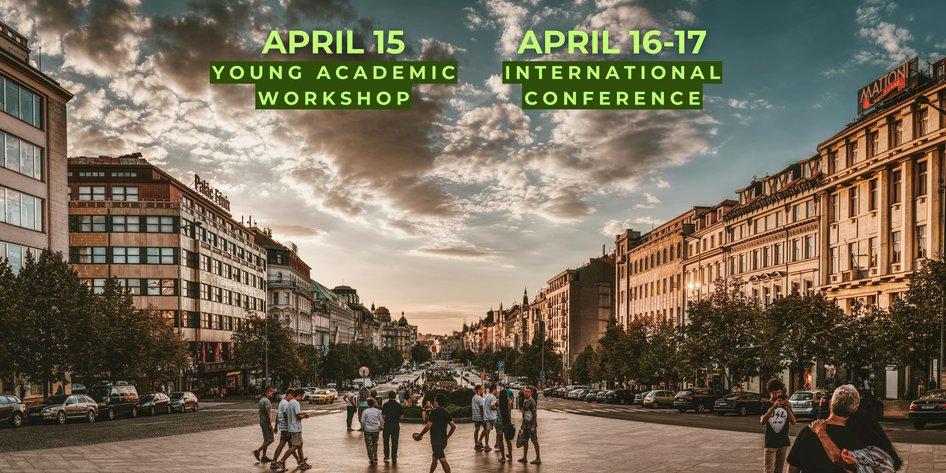
The International Conference of the Master’s Programme in Regional and Urban Planning, under the theme Urban Transitions: Proximity, Diversity and Collective Action, will take place at the University of Aveiro from 15 to 17 April 2026.
The event is organised by the University of Aveiro (as part of the Master’s Degree in Regional and Urban Planning – Cities, Cohesion and Sustainability), in collaboration with the Portuguese Association of Urban Planners (APU).
The International Conference + Young Academics Workshop “Urban Transitions: Proximity, Diversity and Collective Action”, organised by the University of Aveiro (DCSPT & Master’s in Regional and Urban Planning – Cities, Cohesion and Sustainability) in collaboration with the Portuguese Association of Urban Planners (APU), comes at a particularly opportune moment to reflect on and take action regarding the transformation of cities.
In a context marked by environmental crises, housing pressures, regional inequalities and changes in lifestyles and mobility, the discussion on proximity takes on renewed significance — not merely as an urban strategy or concept of the city, but as a concrete condition for access to services, opportunities and a better quality of life. At the same time, diversity presents challenges and reinforces potential in terms of social and cultural diversity, but also in terms of functional diversity — the mix of activities, urban functions and land uses (living, working, studying, caring, commerce, leisure) that sustains more vibrant, resilient and efficient neighbourhoods, reducing travel and strengthening local economies.
The conference also addresses a crucial theme: collective action. In the face of complex and interdependent urban problems, solutions increasingly depend on collaborative governance, informed participation and coordination between research, public policy, professional practice and communities. By including a workshop for young academics, the programme reinforces its ambition to link critical thinking and emerging methodologies to the development of practical solutions, creating a space for dialogue between generations and between theory and practice.
This event thus stands as an essential forum for discussing fair and sustainable urban transitions, sharing evidence and experiences, and mobilising networks capable of turning knowledge into action in cities and regions.
powered by eventQualia